Optimal Timing for Concrete Pool Resurfacing
Understanding the optimal timing for concrete pool resurfacings can extend the lifespan and improve the appearance of a pool. The best time generally depends on climate, pool usage, and maintenance schedules. Typically, late spring to early fall offers ideal conditions for resurfacing due to favorable weather and moderate temperatures.
Resurfacing in spring allows ample time for the surface to cure before peak swimming season, reducing disruption.
Performing resurfacing in fall prepares the pool for winter and ensures durability through colder months.
High temperatures and heavy pool use can hinder proper curing and adhesion, making summer less ideal.
Regions with mild, consistent weather facilitate better results when resurfacing during transitional seasons.
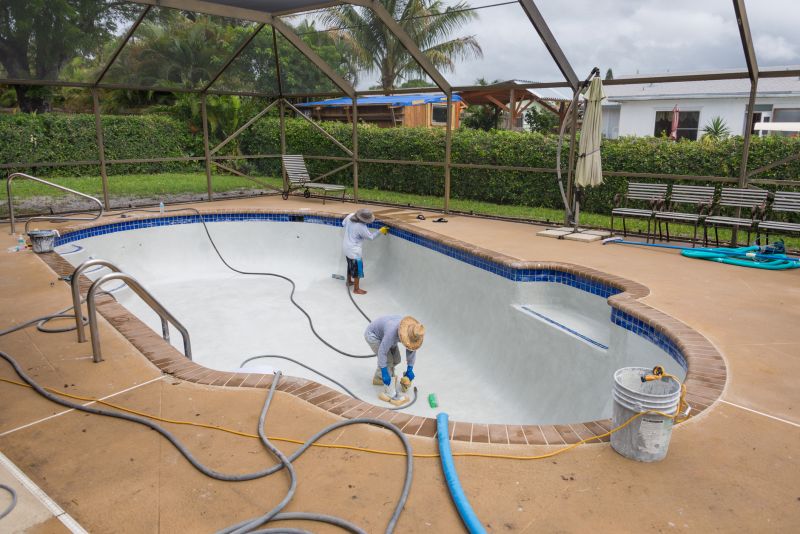
Ways to make Concrete Pool Resurfacings work in tight or awkward layouts.
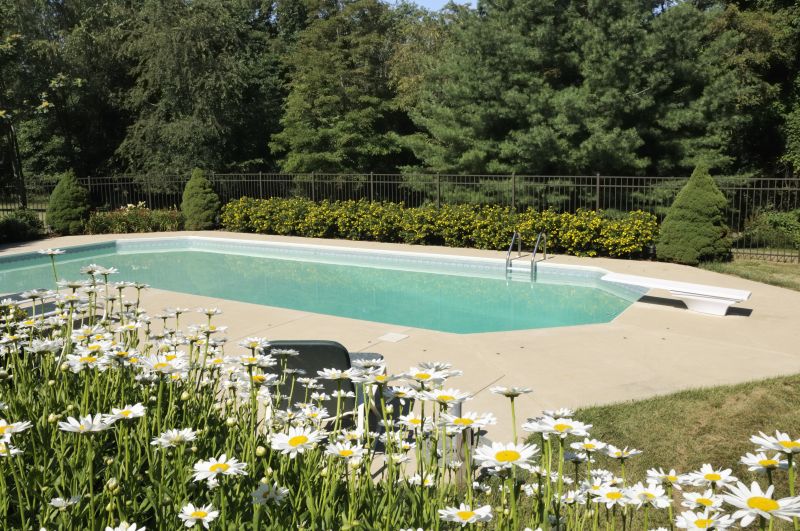
Popular materials for Concrete Pool Resurfacings and why they hold up over time.
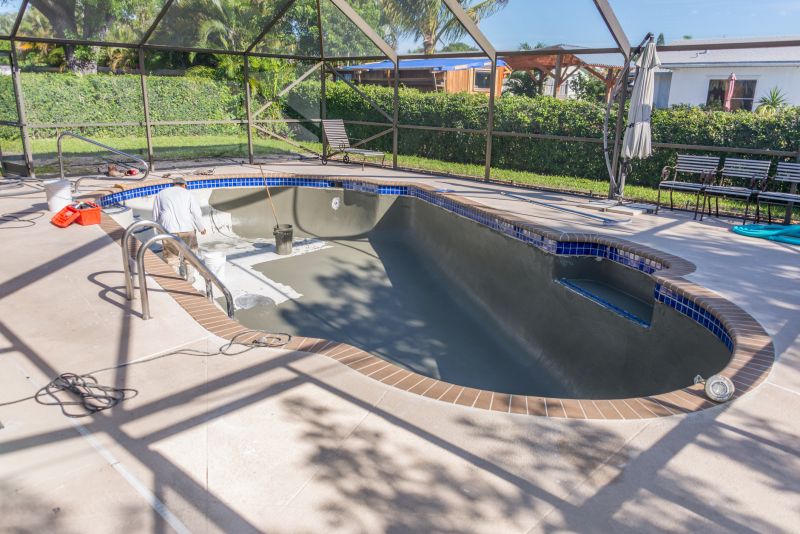
Simple add-ons that improve Concrete Pool Resurfacings without blowing the budget.
High-end options that actually feel worth it for Concrete Pool Resurfacings.
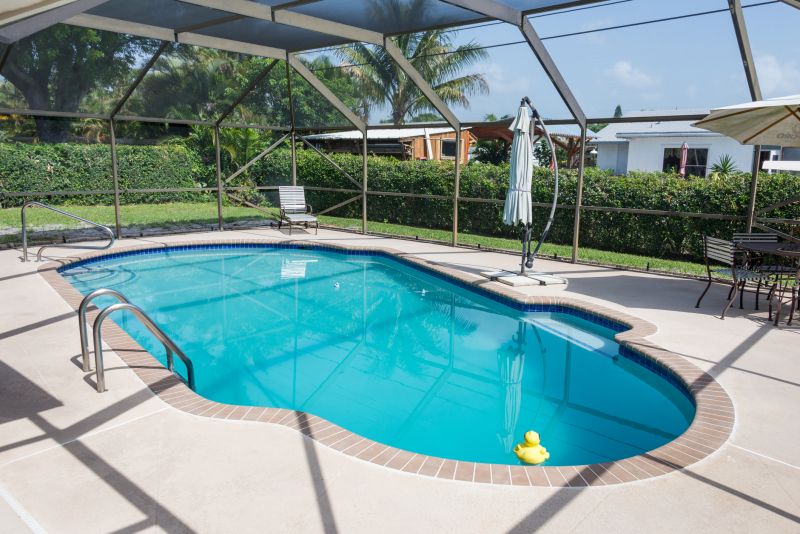
Finishes and colors that play nicely with Concrete Pool Resurfacings.
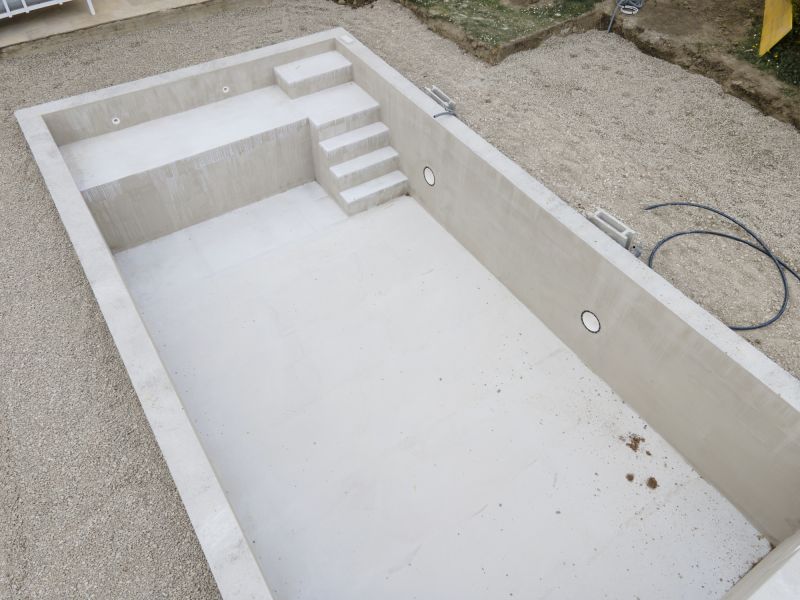
Little measurements that prevent headaches on Concrete Pool Resurfacings day.
A 60-second routine that keeps Concrete Pool Resurfacings looking new.
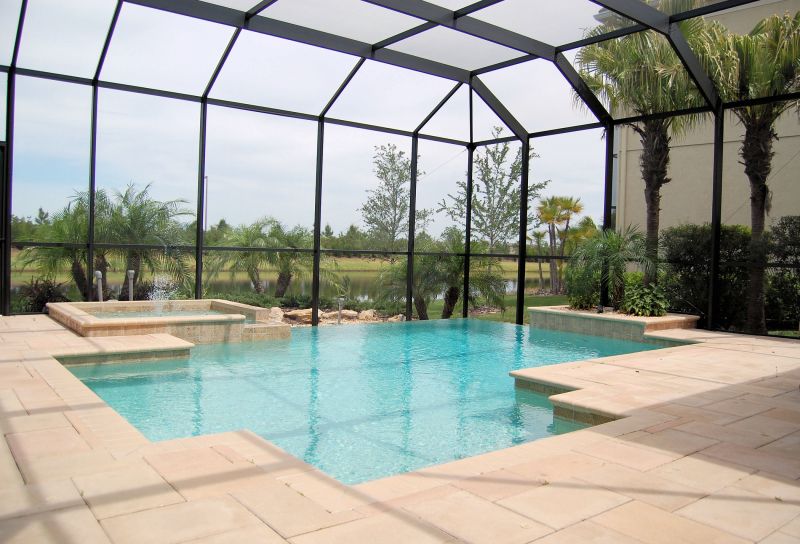
A frequent mistake in Concrete Pool Resurfacings and how to dodge it.
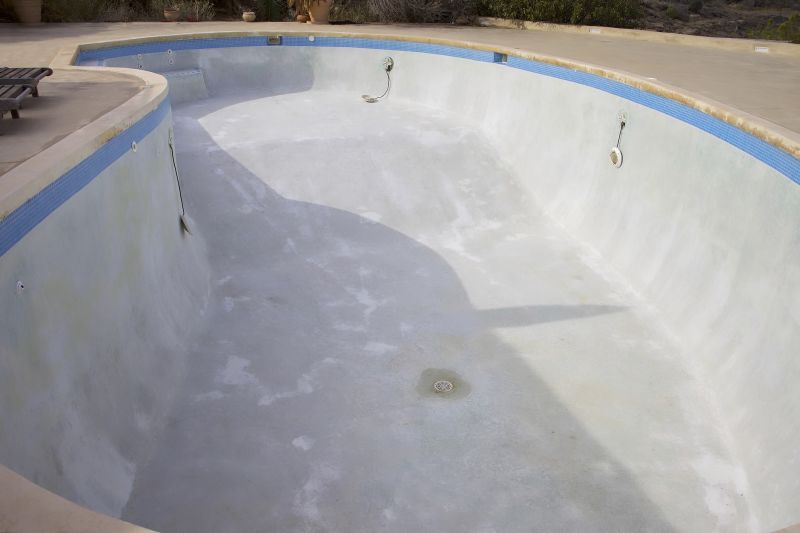
Small tweaks to make Concrete Pool Resurfacings safer and easier to use.
| Season | Ideal Conditions |
|---|---|
| Spring | Moderate temperatures, low humidity, minimal rain |
| Fall | Cooler weather, dry conditions, moderate humidity |
| Summer | High temperatures, frequent pool use, risk of quick drying |
| Winter | Cold temperatures, high humidity, potential for surface cracking |
| Transitional seasons | Optimal for curing and adhesion, depending on climate |
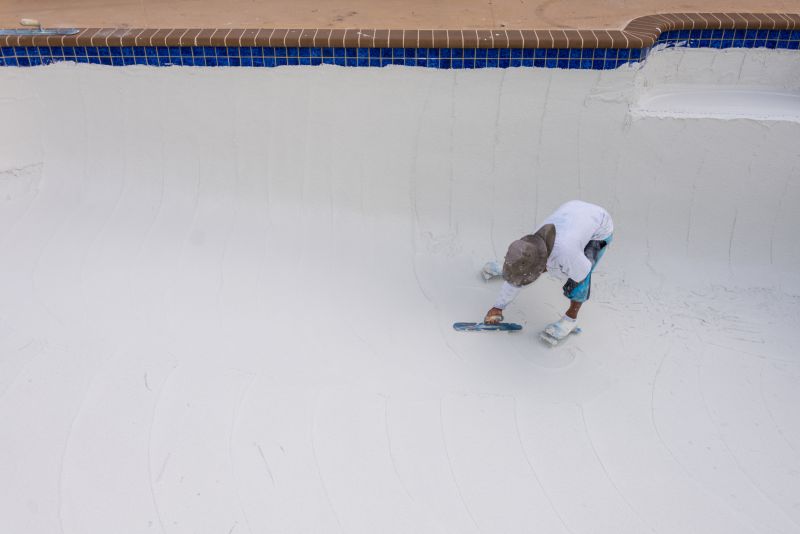
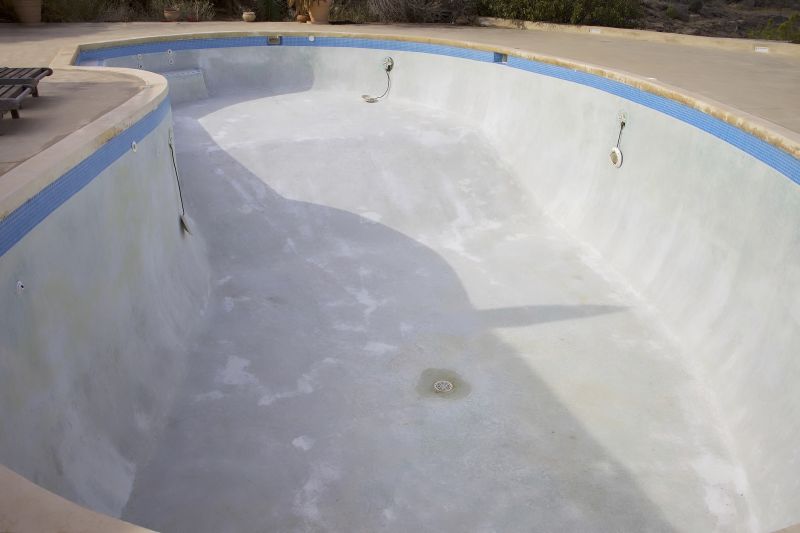
Concrete pool resurfacings involve applying a new surface layer to restore the pool's interior finish. Proper timing ensures effective curing, adhesion, and durability. The process typically includes surface preparation, applying the new coating, and curing time, which varies based on weather conditions. Resurfacing can significantly extend the life of a pool, improve aesthetics, and maintain structural integrity.
Statistics indicate that the average lifespan of a concrete pool surface is between 10 to 15 years, depending on maintenance and environmental factors. Proper scheduling of resurfacing activities can prevent costly repairs and avoid extended downtime. Planning during suitable seasons ensures the best results and longevity for the pool surface.
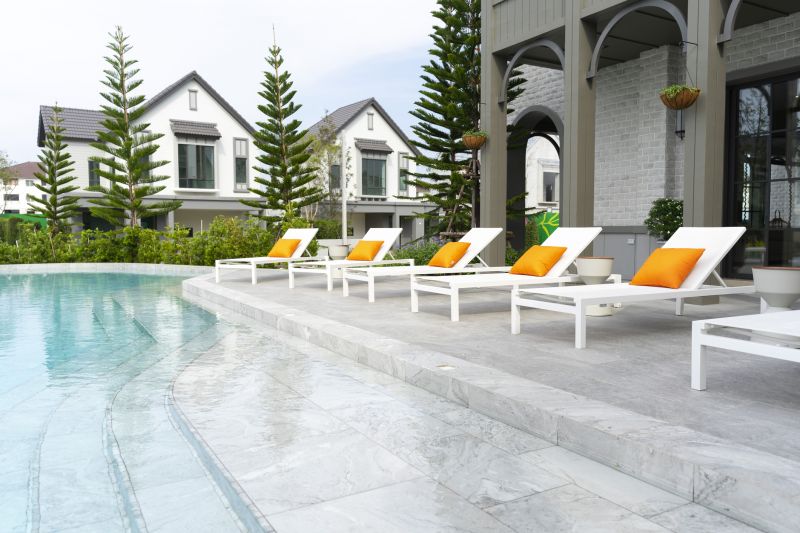
Lower-waste or water-saving choices for Concrete Pool Resurfacings.
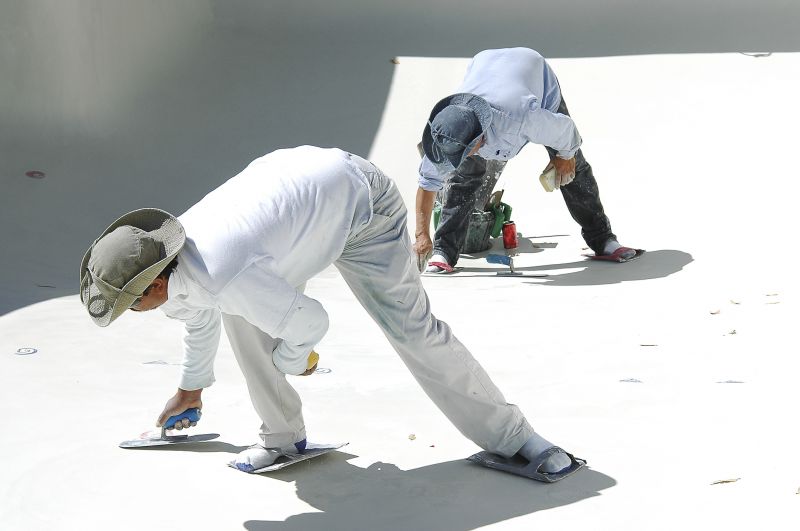
The short, realistic tool list for quality Concrete Pool Resurfacings.
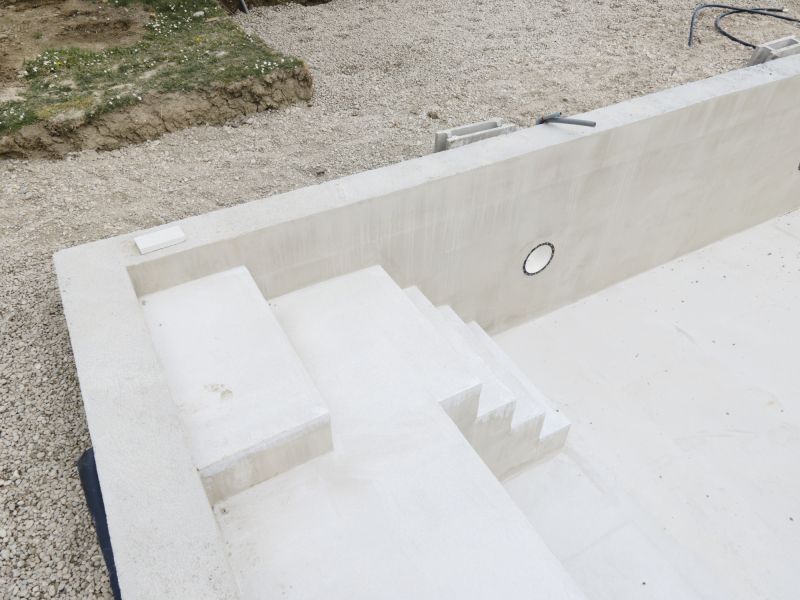
Rough timing from prep to clean-up for Concrete Pool Resurfacings.
Quick checks and paperwork to keep after Concrete Pool Resurfacings.
Interested parties are encouraged to contact for further information or to schedule a consultation regarding concrete pool resurfacings. Proper timing and professional execution can ensure a durable and attractive pool surface for years to come.