
Ultimate Guide To Leading Products For Concrete Pool Resurfacings
Learn about the most effective materials and products to renew your concrete pool's surface and extend its lifespan.
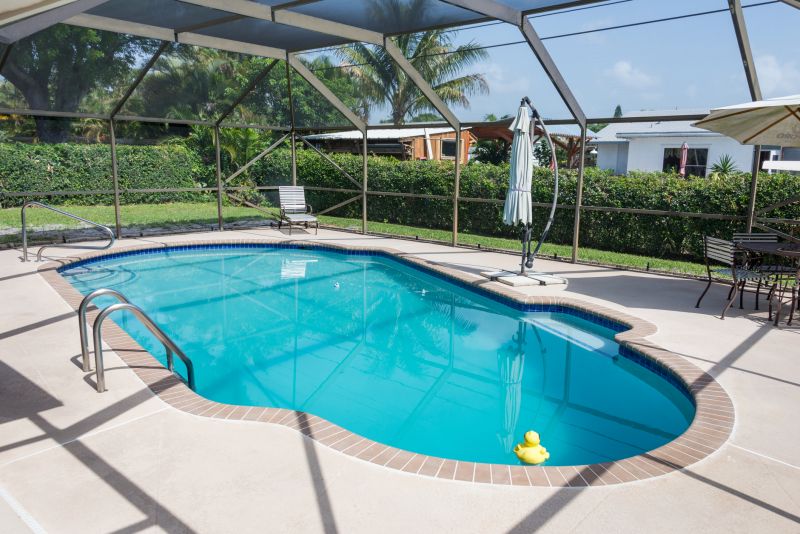 Concrete pool resurfacing is a crucial process for maintaining the integrity and appearance of a pool's interior. Over time, exposure to water, chemicals, and weather can cause surface deterioration, leading to cracks, rough patches, or unsightly stains. Resurfacing options provide an opportunity to restore a pool's surface, enhance its aesthetic appeal, and improve safety for swimmers. Various products are available to suit different preferences and budgets, ranging from traditional coatings to modern polymer-based overlays. Selecting the right resurfacing product depends on factors such as durability, ease of application, finish type, and compatibility with existing pool surfaces.
Top Overall Option
Polymer-Based Pool Coating System
A polymer-based coating system offers a versatile and durable solution for concrete pool resurfacing. Known for its excellent adhesion, flexibility, and resistance to chemicals and UV exposure, this type of product can provide a long-lasting finish that withstands pool use and environmental factors. Its ease of application makes it suitable for both DIY enthusiasts and professionals, often requiring minimal surface preparation and quick curing times. The finish options range from textured to smooth, allowing customization to match aesthetic preferences. Overall, polymer coatings are valued for their ability to restore and protect pool surfaces effectively, making them a popular choice among pool owners seeking reliable resurfacing options.
Types of Products For Concrete Pool Resurfacings
Acrylic Pool Coatings
Flexible and easy to apply, acrylic coatings provide a smooth, attractive finish and are often used for DIY pool resurfacing projects.
Epoxy Pool Coatings
Known for their strong adhesion and chemical resistance, epoxy coatings create a durable, glossy surface suitable for high-use pools.
Plaster or Stucco Finish
Traditional plaster offers a classic look but may require more maintenance; newer formulations improve durability and appearance.
Polyurethane Coatings
Offering high flexibility and resistance to UV rays, polyurethane coatings are suitable for creating resilient pool surfaces.
Quartz Aggregate Finish
Incorporating quartz particles, this finish provides a textured surface that enhances slip resistance and aesthetic appeal.
Polymer Overlay Systems
These overlays create seamless, customizable surfaces with enhanced durability and design options.
Rubberized Coatings
Flexible and impact-resistant, rubberized coatings can help prevent surface chipping and cracking.
Spray-On Pool Coatings
Designed for quick application, spray-on coatings can evenly cover complex surfaces and provide a uniform finish.
Mineral-Based Finishes
Natural mineral coatings offer a unique aesthetic and can improve surface smoothness and longevity.
Polyurea Coatings
Rapid-curing and highly flexible, polyurea coatings are suitable for demanding resurfacing projects requiring quick turnaround.
Popular Choices
A widely used option for quick and straightforward resurfacing, offering a range of colors and finishes.
Favored for its durability and glossy appearance, suitable for high-traffic pools.
A traditional choice that provides a smooth surface, often chosen for its classic look.
Popular for its textured surface and aesthetic versatility, often used to enhance pool safety.
Known for high UV resistance and flexibility, suitable for various pool surfaces.
Offering quick and uniform coverage, ideal for large or complex surfaces.
Combines quartz and pebbles for a durable, textured, and attractive surface.
Versatile overlays that can be customized for color and texture, providing a seamless surface.
Flexible and impact-resistant, helping to extend surface lifespan.
Natural mineral coatings that enhance surface smoothness and aesthetic appeal.
When considering resurfacing products, it is important to assess the specific needs of your pool, including size, usage frequency, and existing surface condition. Some products offer quick application times, making them suitable for DIY projects, while others may require professional installation for optimal results. Additionally, the choice of finish—whether textured, smooth, matte, or glossy—can influence the overall look and feel of the pool interior. Proper surface preparation is essential to ensure adhesion and longevity of the new coating, which can involve cleaning, sanding, or patching prior to application.
Investing in a quality resurfacing product can extend the lifespan of your concrete pool and reduce maintenance costs over time. Regular inspections and timely repairs can prevent minor issues from escalating into major problems. Whether you prefer a classic plaster look, a durable acrylic layer, or a modern epoxy coating, there are options available to meet your aesthetic and functional goals. Consulting with pool professionals or experienced DIYers can help identify the most suitable product for your specific situation, ensuring a smooth resurfacing process and a satisfying outcome.
Key Buying Considerations
- Compatibility with existing pool surface materials and conditions
- Durability and resistance to pool chemicals, UV rays, and weathering
- Ease of application, whether DIY or professional installation required
- Curing time and drying process to minimize downtime
- Finish texture and appearance options to match aesthetic preferences
- Slip resistance features for safety, especially in wet areas
- Maintenance requirements and long-term upkeep
- Ability to accommodate surface imperfections or cracks
- Compatibility with existing pool features such as lighting and fixtures
- Environmental conditions and climate considerations for optimal performance
- Cost and overall budget constraints
- Availability of color options and customization features
- Warranty or guarantees offered by the manufacturer
- Surface preparation requirements prior to application
- Impact resistance and flexibility for movement or ground shifts